
You roll over in bed + there it is: a sharp, catching pain right at the front of your pelvis. It's back when you lift one leg into your pants, again on the stairs + again when you swing your legs out of the car.
Pubic bone pain in pregnancy is often a sign of symphysis pubis dysfunction [SPD], part of a group of pregnancy aches called pelvic girdle pain. It's common, it won't harm your baby + it isn't something you have to grit your teeth through. Small changes to how you move, sleep + get dressed can take some of the strain off your pelvis + a physio, chiropractor, or manual osteopathic practitioner can help with the rest!
At Twh, our team of practitioners has a special interest in pelvic health, supporting mamas-to-be and postpartum mamas. Here, we walk through what SPD is, what it can feel like, and some of the simple, everyday adjustments we discuss with our pregnant patients to help make movement more comfortable throughout pregnancy.
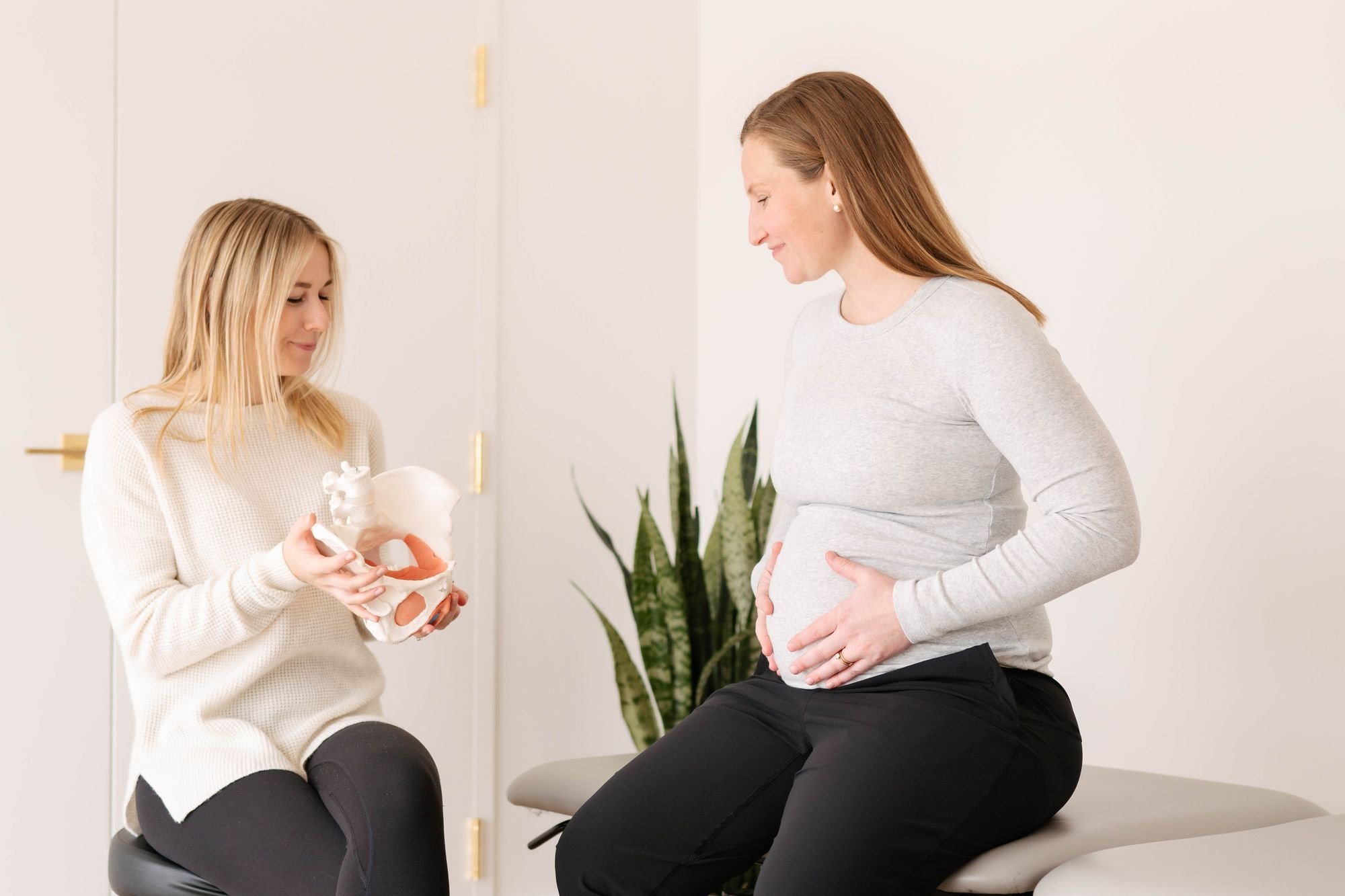
What Is SPD in Pregnancy?
Your pelvis is a ring of bones. At the front, the 2 sides meet at a small joint called the pubic symphysis, low down where you'd feel your pubic bone. At the back, the pelvis joins the base of your spine at the sacroiliac joints.
Pelvic girdle pain [PGP for short] is pain in any of those joints during pregnancy. When it sits mainly at the front, over the pubic bone, it's often called symphysis pubis dysfunction, or SPD. Same family, different spot.
It's more common than a lot of mamas expect. European guidelines put it at about 1 in 5 pregnant people at any given time. Common doesn't mean it has to be your normal!
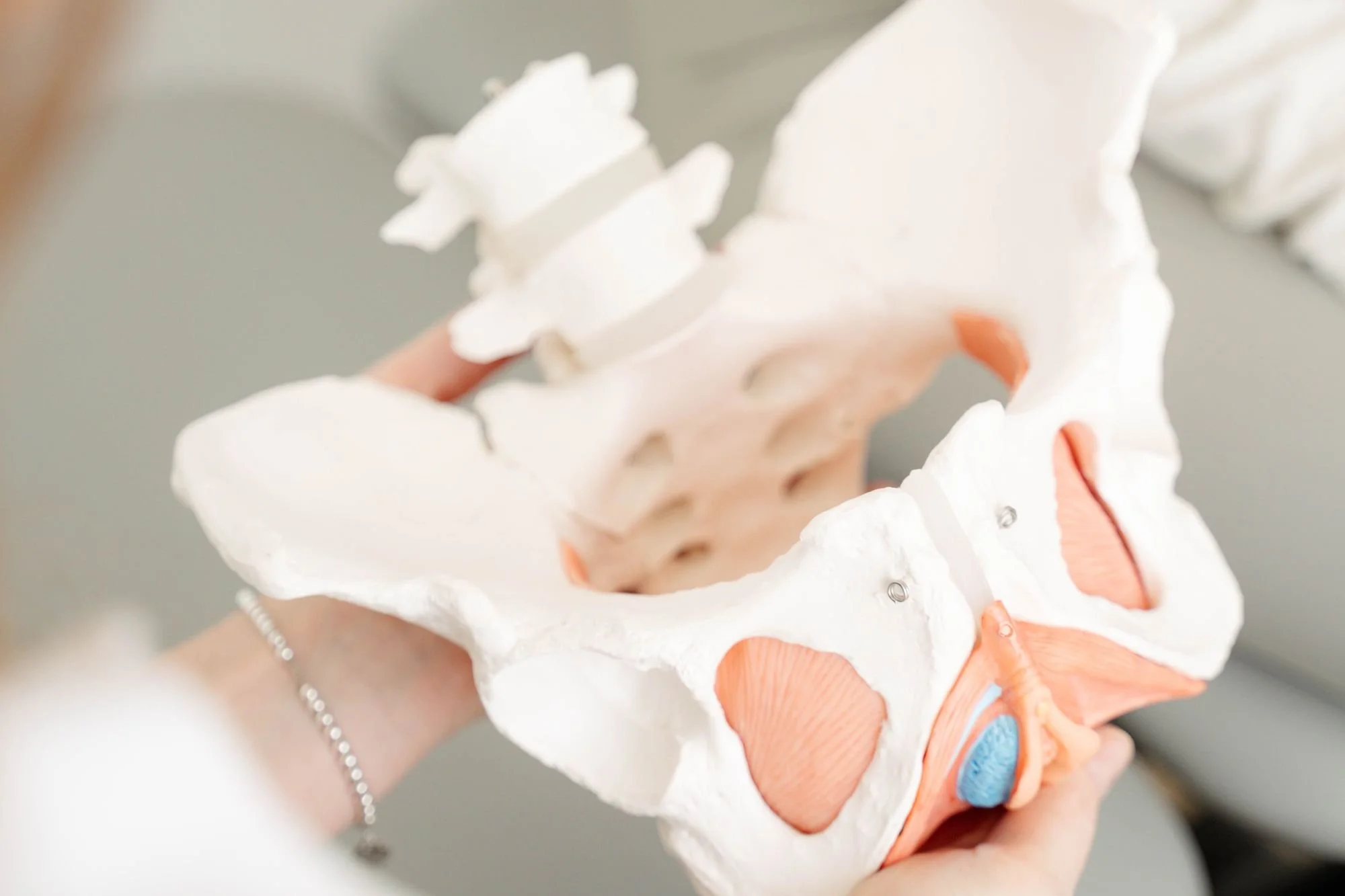
What Pubic Bone Pain in Pregnancy Can Feel Like
Everyone's different, but SPD + pelvic girdle pain often show up as:
Pain over the pubic bone, at the front of your pelvis
Pain that spreads into your groin, your thighs or your perineum [the area between your vagina + anus]
Pain in your lower back, on one side or both
A clicking or grinding feeling at the front of your pelvis [it can feel alarming, but it isn't harmful]
It tends to flare with anything that puts your weight on one leg or moves your legs apart: climbing stairs, getting dressed, getting in + out of the car or bath, rolling over in bed + walking.
There's no set week when it starts. If it's getting in the way of your everyday life, that's reason enough to get it checked.
Why It Happens
During pregnancy, your body goes through several changes that can contribute to symphysis pubis dysfunction and pelvic girdle pain.
The hormone relaxin increases during pregnancy, helping to soften connective tissues and allow the ligaments around your pelvis to become more flexible in preparation for birth. This can contribute to increased movement around the pelvic joints.
At the same time, your biomechanics begin to change as your baby grows. Your centre of gravity shifts forward, changing how your body distributes weight and places load through your pelvis. Your abdominal and core muscles also stretch as your belly expands, which can affect how your body supports and stabilizes your pelvis.
Together, these hormonal, muscular and biomechanical changes can place additional stress on the pubic symphysis (the joint at the front of your pelvis), contributing to pain and discomfort with activities like walking, climbing stairs, rolling over in bed or getting dressed.
5 Gentle Changes That Can Help
These five strategies focus on reducing unnecessary strain through your pelvis while helping you stay comfortable and active throughout pregnancy. Small adjustments to everyday movements can make a meaningful difference. The goal isn't to stop moving or avoid activity altogether, but to find ways to move that feel more comfortable and supported. The UK's pelvic health physiotherapists also emphasize the importance of keeping moving within your comfort level.
1. Keep Your Knees Together for Transitions
The moves that part your legs tend to be the ones that sting, so try moving your knees as a pair.
Getting into the car, sit down on the seat first with your legs still outside, then bring both knees in together as you turn. Reverse it on the way out: turn, both feet to the ground, then stand.
Rolling over in bed, bend your knees, squeeze them together, then roll your shoulders, hips + knees as 1 unit, like a log. Your physio can show you how to use your tummy + pelvic floor muscles to make the roll smoother.
2. Set Up Your Sleep
Side-lying with a pillow between your knees keeps your legs level + takes pressure off the front of your pelvis. A long body pillow that tucks between your knees + under your bump can do both jobs at once.
If getting comfortable at night is the hardest part of your day, you're not alone. Mention it at your appointment, since small tweaks to your sleep setup are some of the easiest wins.
3. Cut Down on 1-Leg Moves
Standing on 1 leg puts uneven load through the front of your pelvis + it hides in a lot of daily jobs.
Sit down to get dressed. Pants, socks, underwear + shoes are all easier from the edge of the bed or a chair.
On the stairs, take them one step at a time. Going up, lead with your less painful leg. Coming down, lead with the more painful one. It's slower, but it's often a lot more comfortable.
4. Keep Things Even
Your pelvis likes balance. A few habits that help:
Stand with your weight evenly through both legs, rather than resting on one hip
Try not to cross your legs or sit twisted to one side
Change position often, whether you're sitting or standing
Avoid heavy lifting, + if you do have to carry something, split it between both hands
Try not to carry a toddler on one hip [easier said than done if you have a little one at home... get them to climb up to you while you're sitting, when you can]
5. Stay Active, Within What Feels Okay
Rest when you need to, but stopping everything usually isn't the answer. A review behind Canada's pregnancy activity guideline found exercise during pregnancy may help reduce how much pelvic + low back pain bothers you, even though it doesn't stop it from happening in the first place.
Gentle options many mamas find comfortable:
Walking, with shorter strides + a slower pace on sore days
Swimming or exercise in water [the breaststroke kick can aggravate it, so try a different kick]
Prenatal yoga or pilates, with poses adapted to what feels comfortable
Breathing through each movement rather than holding your breath, which can add tension around your pelvis
Some people also find a soft pelvic support belt helpful. The research on belts is limited, so ask your physio, chiro, or osteo whether one makes sense for you + how it should fit.
How Physiotherapy + Chiropractic Care + Osteopathy Can Help
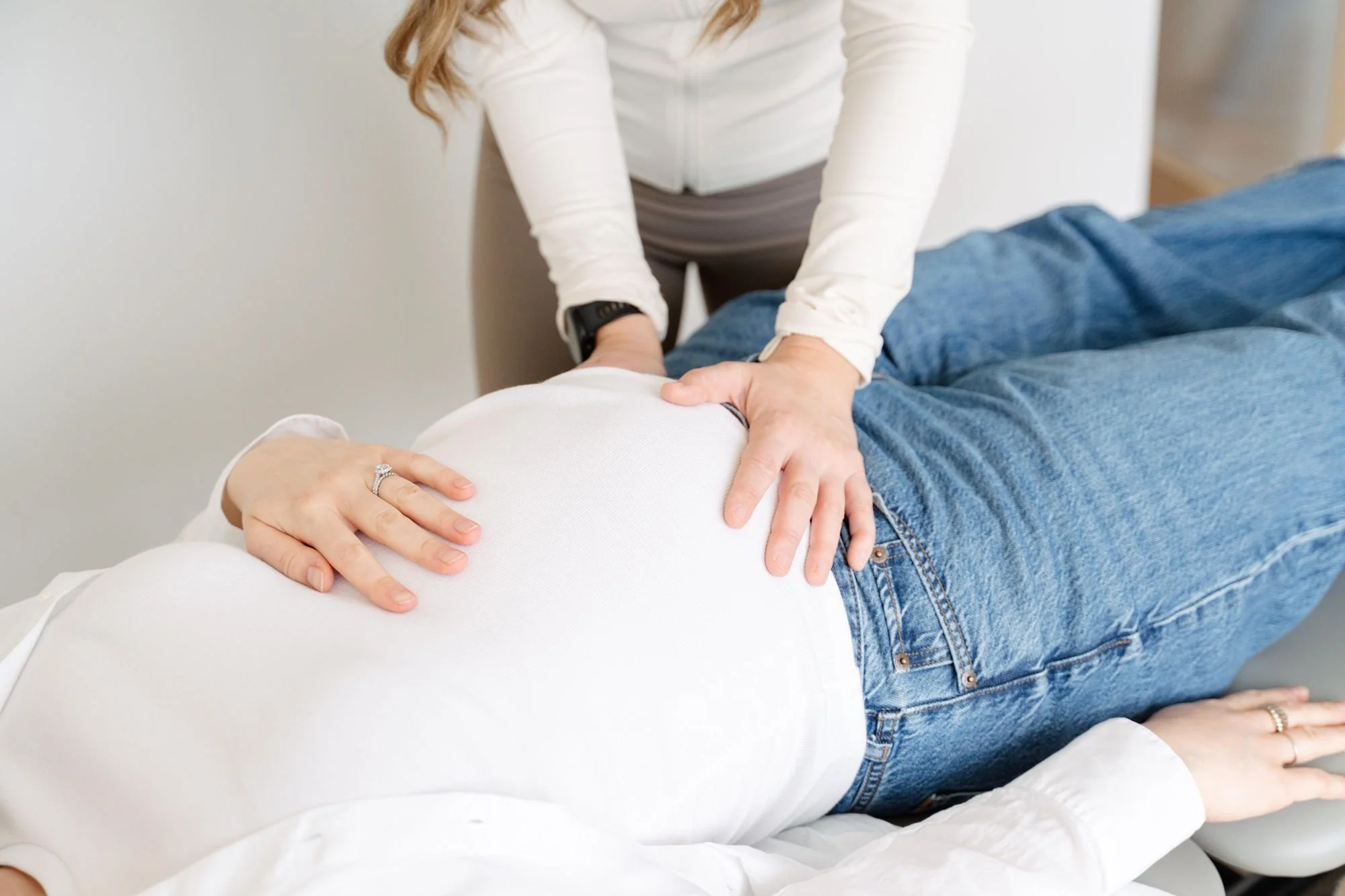
Physiotherapists + chiropractors + manual osteopathic practitioners can both assess + treat pubic bone pain in pregnancy. An assessment looks at where it hurts, which movements bring it on + how your pelvis, hips + spine are moving, so your plan is built around your body + your stage of pregnancy.
From there, care can include:
Hands-on treatment
Exercises for your hips, tummy + pelvic floor, fitted to what feels comfortable
Coaching on the everyday moves above [rolling over, dressing, stairs, the car]
Advice on a support belt, if it's a good fit for you
Planning for labour, including how far your knees can comfortably part [more on that below]
Acupuncture may help some people too, though the research is limited + mixed. At Twh it's offered by our physiotherapists, chiropractors, registered acupuncturist + naturopath
You can start care at any stage of pregnancy + it's usually helpful to start before you notice any symptoms to support a pain free pregnancy!
Does SPD Change Your Birth Plan?
Usually not in the way people worry about. The UK's pelvic health physios say most people with pelvic girdle pain can have a vaginal birth + a c-section!
Planning ahead can help:
Tell your midwife or OB about your pelvic pain early on
Ask your physio, chiro or manual osteopathic practitioner to measure your pain-free range, meaning how far your knees can part before it hurts
Add that range to your birth plan, especially if you're planning an epidural, since you may not feel when your legs are being moved too far
In some births, your care team may need to move your legs wider to deliver your baby safely. Knowing your range ahead of time means everyone is on the same page when it matters.
When to Call Your Doctor or Midwife
Pelvic girdle pain is uncomfortable, but it isn't an emergency. Call your doctor, midwife or the hospital's labour + delivery unit promptly if your pelvic or tummy pain comes with:
Vaginal bleeding or spotting
Regular cramping or tightening
Unusual discharge, or fluid leaking from your vagina
Pain or burning when you pee, or needing to pee suddenly or more often than usual
Pee that's cloudy, pink, red or brown
Pain that's severe, or doesn't ease after resting
The same goes if you're under 37 weeks + think you might be in labour, or if your baby is moving less than usual. The NHS has a full list.
How Twh Can Help
We see a lot of mamas + babes at Twh + pregnancy aches like this one come up often. Our pelvic floor physiotherapy, physiotherapy, chiropractic care + manual osteopathic practitioners teams all work with pregnancy pelvic pain + we'll set you up in positions that feel comfortable for your bump.
If you're thinking about your pelvic floor before birth too, our post on pelvic floor physio in pregnancy covers when to start + what a first session looks like. Prenatal yoga with Vanessa, one of our physiotherapists, is another way to keep moving with support. Everything is under 1 roof + we direct bill to most insurance providers.
FAQ
Is Pubic Bone Pain a Sign of Labour?
Not on its own. Pelvic girdle pain doesn't mean labour is near or starting. If the pain comes with regular tightening or cramping, fluid leaking or bleeding, call your doctor or midwife.
Does SPD Go Away After Birth?
For many people it eases after birth, but not for everyone. Around 1 in 10 still have pain afterward. If yours sticks around, care can continue postpartum, + you're welcome to bring your little one along.
Is SPD Harmful to My Baby?
No. Pelvic girdle pain is uncomfortable for you, but it won't harm your baby.
Can I Keep Exercising With SPD?
In most cases, yes. Staying active within what feels okay is part of the advice, with changes like keeping your knees closer together + avoiding moves that load 1 leg or part your legs wide. Check in with your physio, chiropractor or care provider about what's right for your pregnancy.
Do I Need a Doctor's Referral?
No, in Ontario you can book physiotherapy or chiropractic care directly. Some extended health plans ask for a referral before they'll reimburse, so it's worth checking yours.
When You're Ready
If your pubic bone is making everyday moves harder than they need to be, you don't have to push through the rest of your pregnancy like this. Book online with a physiotherapist chiropractor & manual osteopathic practitioner, or reach out + we'll help you figure out where to start!