
Pelvic Floor Physio for Pregnancy: When to Start + Why Not to Wait
Most people think of pelvic floor physiotherapy as a postpartum concern, something you get to once your little one is here + you have a minute to breathe. By then you've missed the window where it does some of its best work!
You don't have to wait until after birth. Pelvic floor physiotherapy during pregnancy can help you prepare your body for labour, ease the aches that come with a growing belly + give you a head start on recovery. Many mamas start in the second trimester, though it can help at any stage!
Chenya, one of our Pelvic Floor Physiotherapists at Twh, walks through why pregnancy is a good time to start, what a first session looks like + the Kegel advice she wishes more mamas knew.
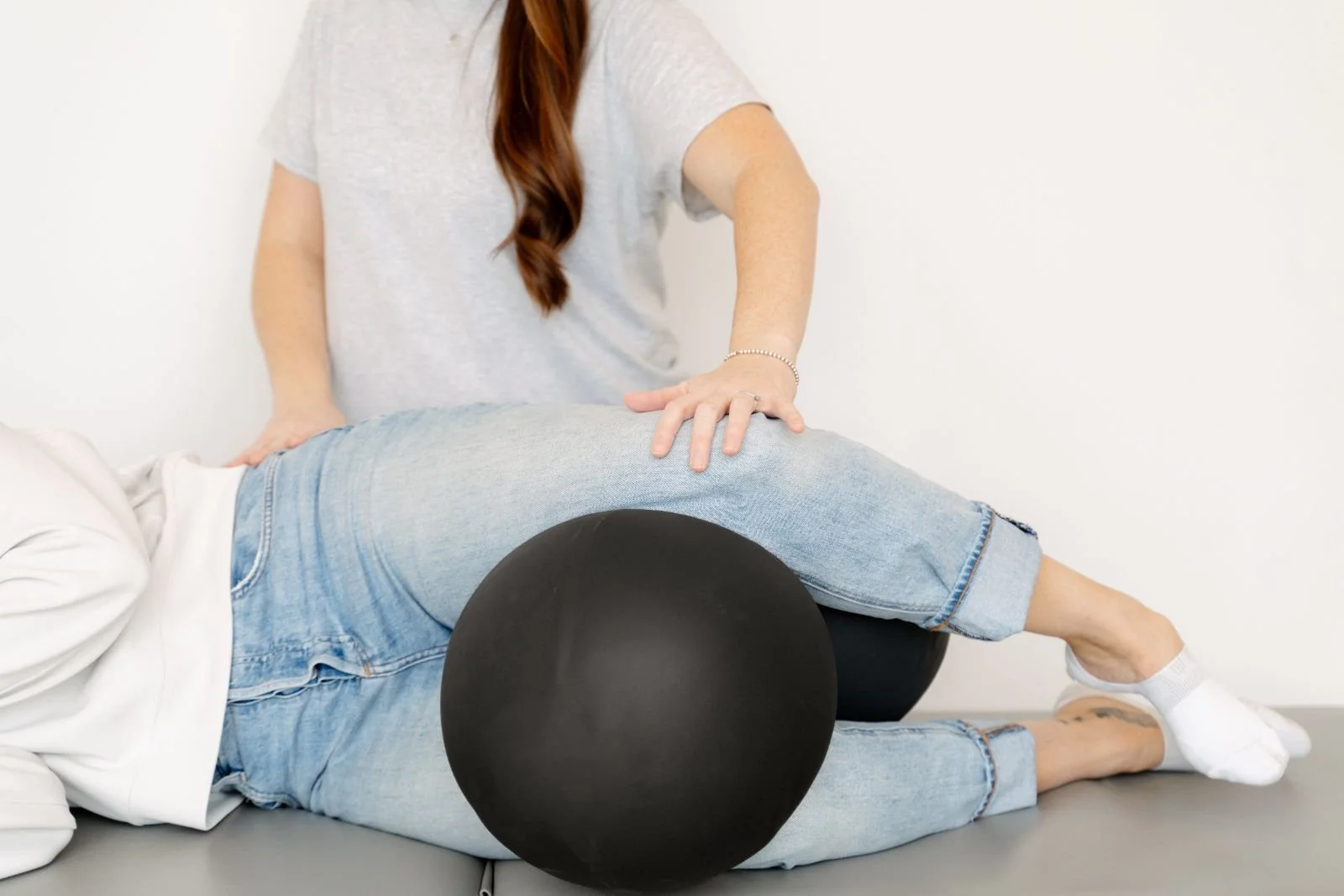
Why Start During Pregnancy Instead of After
Your body is changing constantly while you're pregnant, not just to make room for your little one but to get you ready for birth itself. Waiting until after birth can mean missing the chance to build strength + flexibility in your pelvic floor when it matters most!
Starting movement + pelvic floor therapy during pregnancy may also support better sleep + ease pelvic and low back pain. There's good research behind staying active through pregnancy too. The Canadian Guideline for Physical Activity Throughout Pregnancy notes that pelvic floor muscle training may be done daily to help reduce the risk of urinary incontinence, and that proper technique makes a difference, which is exactly where an assessment comes in.
The point isn't to add one more thing to your list. It's that the work you do now can make the months ahead, + the recovery after, feel more manageable.
When Should You Start Pelvic Floor Physio in Pregnancy?
Pelvic floor therapy can help at any stage of pregnancy, but many mamas choose to start in the second trimester, once the early weeks settle.
If this isn't your first little one, you might want to come in earlier. Mamas who've already been through birth often know what they're working with + they want a head start. Sometimes that's because a past birth left them with symptoms they'd rather not repeat. Sometimes it's because something already feels different this time.
There's no wrong time to begin. Starting early gives you more time to feel calm + prepared heading into the birth.
What a First Session Looks Like
A lot of mamas come in nervous about what a pelvic floor appointment involves, so here's the honest version, start to finish.
The first visit is mostly about getting to know each other. Chenya will talk through your concerns, your history with any pain or symptoms + how you've been moving through your pregnancy. From there she'll look at how you move, how you breathe + how strong + flexible you are.
Then there's the part most people are wondering about: the internal exam. Depending on your comfort, an internal assessment [vaginal, rectal, or both] lets your therapist check the strength of your pelvic floor, feel for any tension or tender spots through its layers + see how it handles pressure when you cough or bear down.
Here's what matters: it's optional. It doesn't have to happen on the first visit + it doesn't have to happen every session. If you need time to get comfortable with the idea, that's completely normal. And if an internal exam isn't for you, there's still a lot Chenya can learn from the outside to build a plan that supports you.
You set the pace. Nothing happens that you haven't agreed to.
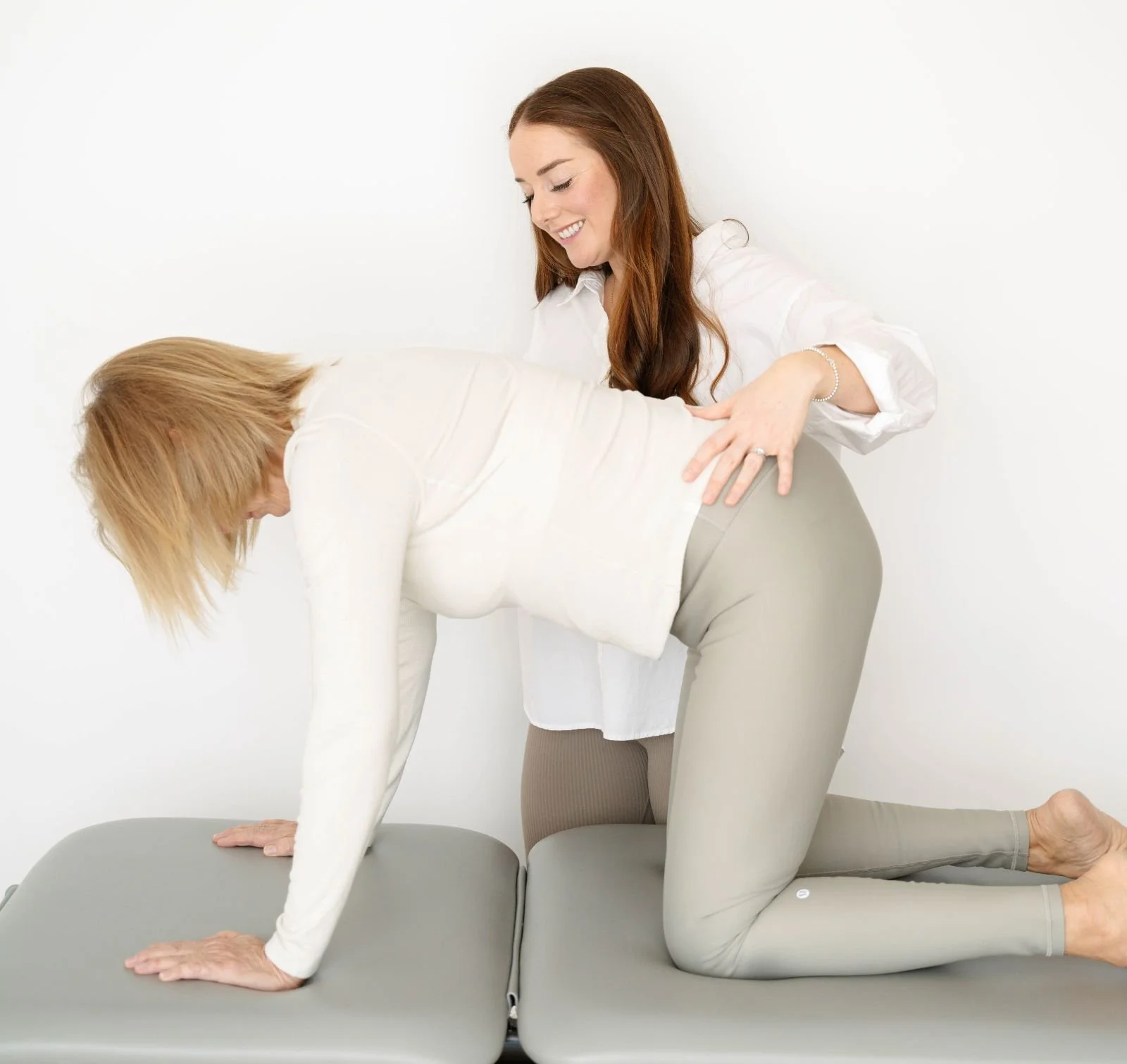
Is It Okay to Just Do Kegels While Pregnant?
The first advice almost every pregnant person hears is "just do your Kegels." It's well-meant, but it isn't always right.
Pelvic floor trouble isn't only a strength problem. Sometimes it's a tension problem + in that case piling on Kegels can make things worse. Heaviness, pressure + pain are often signs of a pelvic floor that's already too tight, not too weak.
That's the whole reason an assessment is worth it. Instead of guessing, you find out what your pelvic floor needs + you spend your energy on the work that helps you.
What Pelvic Floor Physio Can Help With [That Surprises People]
Mamas are often surprised by how much sits under the pelvic floor's job description. The thing Chenya sees click most often is relief from hip + low back pain + constipation, which a lot of people never connect to this area at all.
Your pelvic floor is tied into a lot: bowel movements, bladder control, that feeling of heaviness or pressure + pain with intimacy. Because it's all connected, working on one piece often helps support the others.
These concerns are common in pregnancy + postpartum but not something you have to live with!
Can Pelvic Floor Physio Help You Prepare for Birth?
Yes. A lot of birth prep is teaching your pelvic floor to do two things well: to be strong + to relax + lengthen when it's time to bear down.
Training that flexibility + control may help reduce the chance of tearing during a vaginal birth + may support recovery after a c-section. But it isn't only about strength. So much of it comes down to how you breathe + your ability to relax through labour.
In practice, prep looks like learning to breathe in a way that works with your body, learning how to soften the pelvic floor on purpose + finding the positions that feel right for you. For some mamas it also includes guidance on perineal massage, a technique used in the later weeks of pregnancy to help the tissues prepare to stretch. The more familiar all of this is before labour day, the more it can carry you through it.
If you end up with a c-section, the work doesn't go to waste. Pelvic floor physio supports recovery afterward too, including the scar + the deep core, when you're ready.
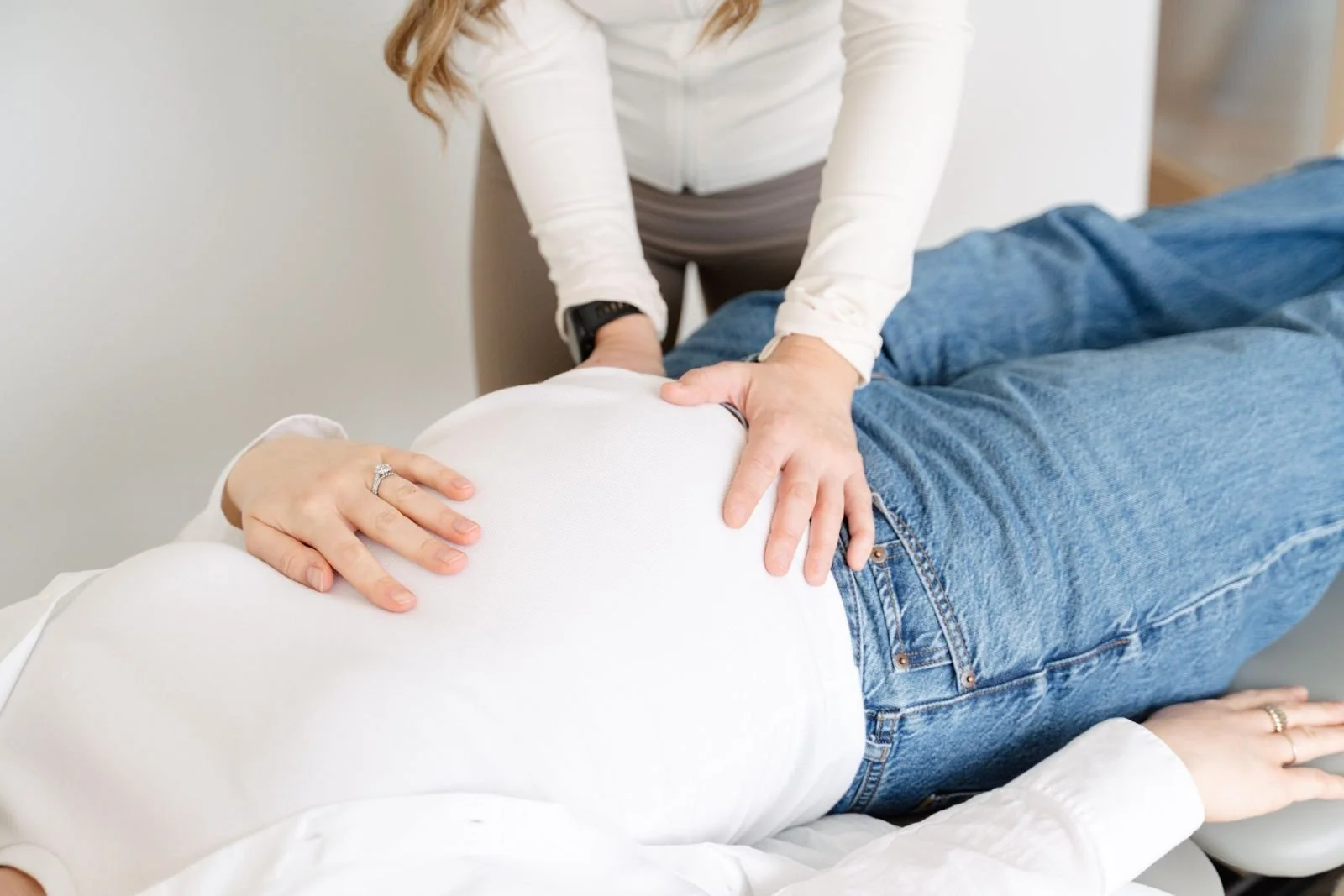
How the Rest of Twh Supports This Window
Pelvic floor health doesn't sit in its own box. It's connected to your breathing, your core, your hips + your low back, + that's true for the rest of pregnancy + postpartum too. A few of the other practitioners at Twh often work alongside pelvic floor physiotherapy for mamas in this stage.
Chiropractic care with Dr. Devyn or Dr. Julia can help with the aches that come from carrying, feeding + broken sleep. Osteopathy with Fallon brings a hands-on, full-body lens to recovery [little ones included]. Naturopathic care with Dr. Nora can support sleep, energy + hormones alongside your family doctor. Acupuncture with Amanda can support birth prep + labour induction as you get closer to your due date. And Prenatal yoga is a gentle way to keep moving + connect breath to body through pregnancy.
You don't have to come in for all of it. Most mamas start with one practitioner + add others as they figure out what helps.
FAQ About Pelvic Floor Physio
Is Pelvic Floor Physio Safe During Pregnancy?
For most pregnancies, yes. Your therapist tailors everything to your stage + comfort, + nothing happens without your say-so. If you have a high-risk pregnancy or a specific condition, check with your doctor or midwife first + let your physio know.
How Should I Prepare for My First Appointment?
There's nothing special you need to do. Wear comfortable clothing you can move in, + come ready to talk through your history + what you've been feeling. If there's anything specific on your mind, jot it down beforehand so it doesn't slip your mind in the moment.
Do I Need a Referral to Book Pelvic Floor Physio at Twh?
No referral needed. You can book directly. If you're coming in for a specific concern, it helps to mention it when you book so we can give you enough time.
How Many Sessions Will I Need?
It depends on you, your goals + what we find at your first visit. Some mamas come for a handful of sessions to learn what their body needs + carry on at home, others check in through pregnancy + again postpartum. Chenya will give you a realistic sense of it once she's assessed you.
When You're Ready
If something already feels off, or you'd rather head into birth feeling prepared, that's reason enough to come in. You don't have to wait for a problem to get bad first.
Book a pelvic floor physiotherapy appointment directly, or reach out + we'll help you figure out where to start.
Your pelvic floor is like a hammock or a trampoline: it works best when it's both strong + able to give. We'd love to help you find what that looks like for you. ✨