
Swelling after a sprain, a surgery or late in pregnancy can leave your body feeling heavy + stiff. Your lymphatic system is the part of you that clears that extra fluid + sometimes it could use a hand. That's where manual lymphatic drainage [MLD for short] comes in.
Manual lymphatic drainage is a gentle, hands-on technique that uses slow, rhythmic strokes to help move lymph fluid out of swollen areas + back toward the heart, where your body can filter it.
Below: how your lymphatic system works, what happens during a session + who MLD is [+ isn't] a good fit for.
What Your Lymphatic System Does
Your lymphatic system is a network of over 500 lymph nodes, vessels + ducts that move lymph through your body. Lymph is a clear fluid that carries immune cells, bacteria, viruses + other waste. The system helps keep your fluid levels balanced, supports your immune system + absorbs fats from the food you eat.
Unlike your blood, which your heart pumps around, lymph has no pump of its own. It relies on movement, muscle contraction + gravity to keep flowing. When things slow down, you may notice swelling, stiffer joints or more aches than usual.
What Is Manual Lymphatic Drainage?
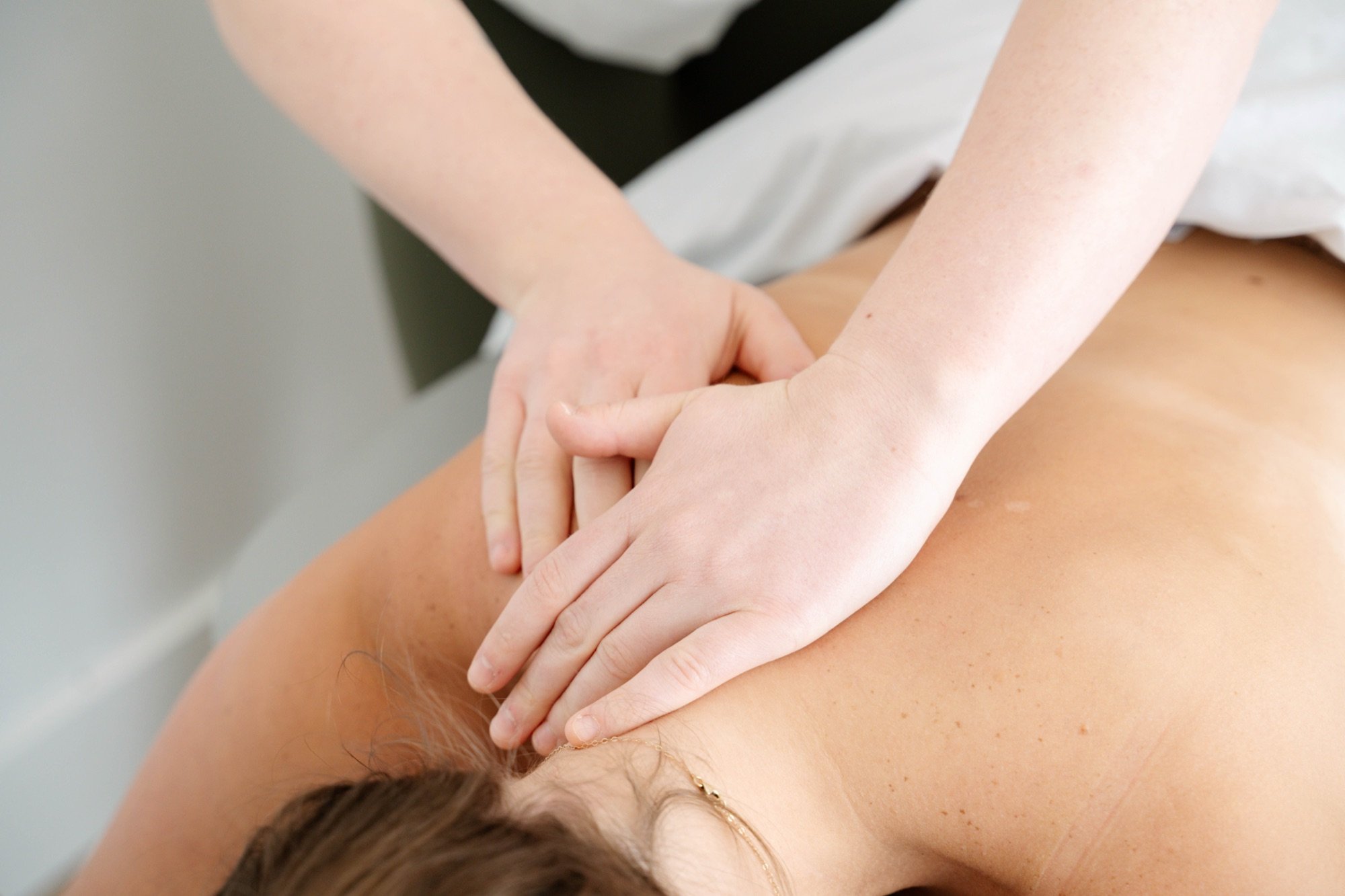
MLD is a specialized hands-on technique that uses gentle, rhythmic, skin-stretching strokes to encourage lymph flow. Your practitioner works through a specific sequence: first opening up the lymph pathways, then guiding fluid back toward the heart so your body can filter + clear it.
The pressure is light. MLD works on the fluid under your skin, so it feels nothing like a deep tissue treatment.
MLD After an Injury
When you're injured, your body sends blood + fluid to the area to start the healing process. If that extra fluid sticks around, it can add to your pain + make it harder to move. MLD may help ease that swelling by encouraging your lymphatic system to carry fluid + inflammatory byproducts away from the area, which can make moving more comfortable.
What to Expect in an MLD Session
A full-body MLD session is 60 minutes. Your practitioner will start by asking about your goals, then choose the sequence + strokes that fit what's going on for you.
Every session begins + ends with deep diaphragmatic breathing [think slow belly breaths]. This helps move lymph through the deeper nodes + settles you into a restful state. Next, your practitioner opens the major nodes with a gentle pumping technique, then works through the sequence, moving extra fluid toward the heart. The strokes are slow + skin-stretching + a lot of people find this part deeply relaxing. Gentle joint movements + light muscle contractions may be used to reach deeper nodes.
To finish, your practitioner will go over recommendations + at-home tips to help you support your lymphatic system between visits.
How You Might Feel Afterward
After a session, you may need to pee more often, feel lightheaded, or notice a dry mouth or dry eyes. These are common after MLD + your practitioner will talk you through what to watch for.
Who MLD May Help
MLD may be a good fit if you're dealing with:
Swelling from a new injury
Swelling after surgery
Swelling during pregnancy
Muscle soreness after exercise
Ongoing muscle or fascial tightness
When to Skip MLD [For Now]
MLD may not be right for you at the moment if you have:
A fever, an infection or you're feeling sick
Heart failure
Kidney failure
Liver disease
Cancer
A blood clot
High blood pressure that isn't under control
A thyroid condition that isn't being treated
Your practitioner will go over your health history before your first session. If any of these apply to you, check with your doctor first.
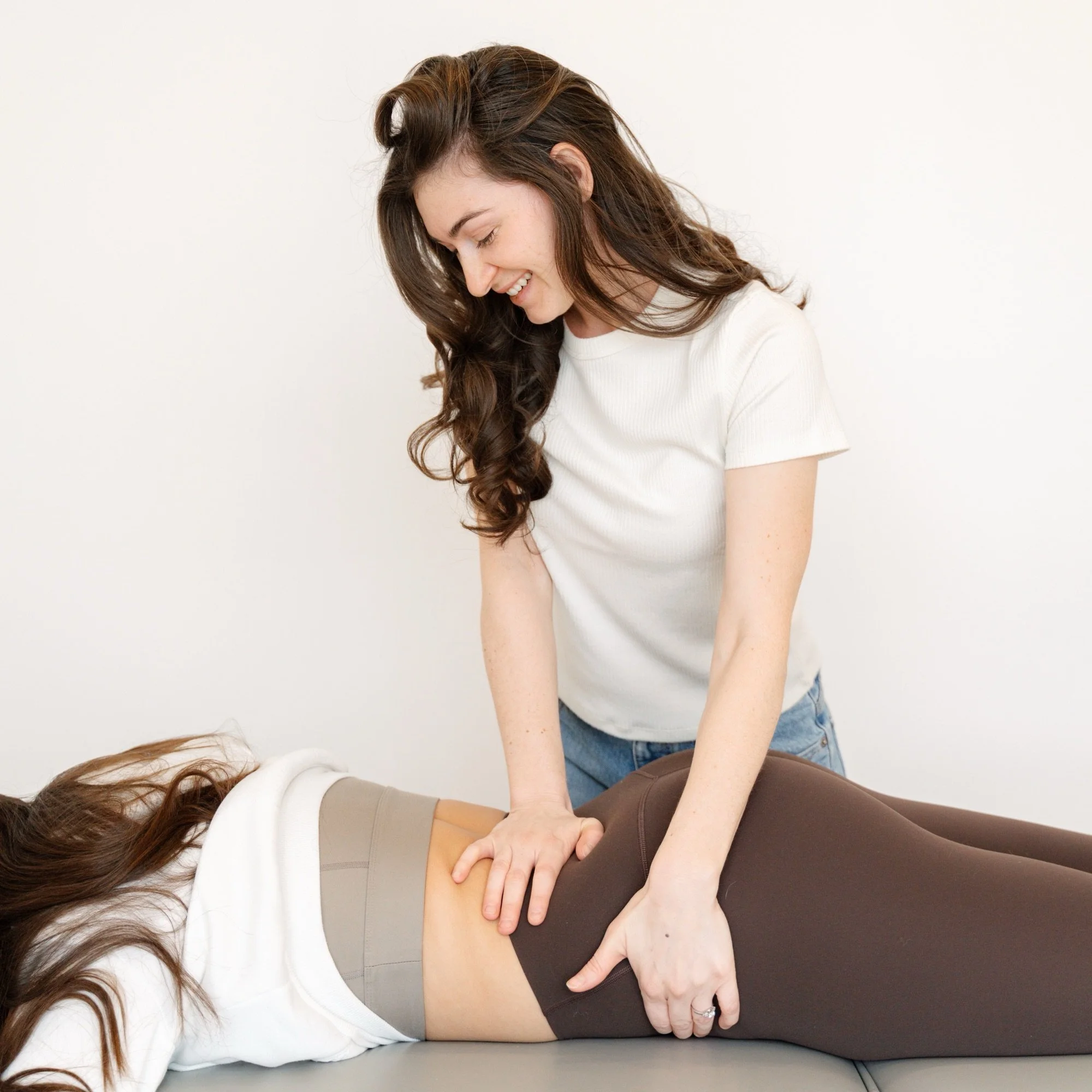
Book an MLD Session at Twh
Have questions, or want to chat about whether MLD is right for you? Give us a call at (905) 643-6777 + we'll help you figure out your next step.
Written by Dr. Katie White, DC, a registered chiropractor in Ontario + member of the College of Chiropractors of Ontario.